Teeth whitening and hypersensitivity is a topic that raises many questions - especially among patients who dream of a whiter smile, but are concerned about pain and discomfort after the procedure. Can whitening really cause sensitivity? Does it affect everyone? What can be done to minimise the risk? And finally - what are the most effective and safest ways to whiten teeth?
As a Polish dental practice in the UK, we help fellow countrymen take care of the health and aesthetics of their smiles on a daily basis. Today, we answer the questions we hear most often in the context of teeth whitening versus sensitivity.
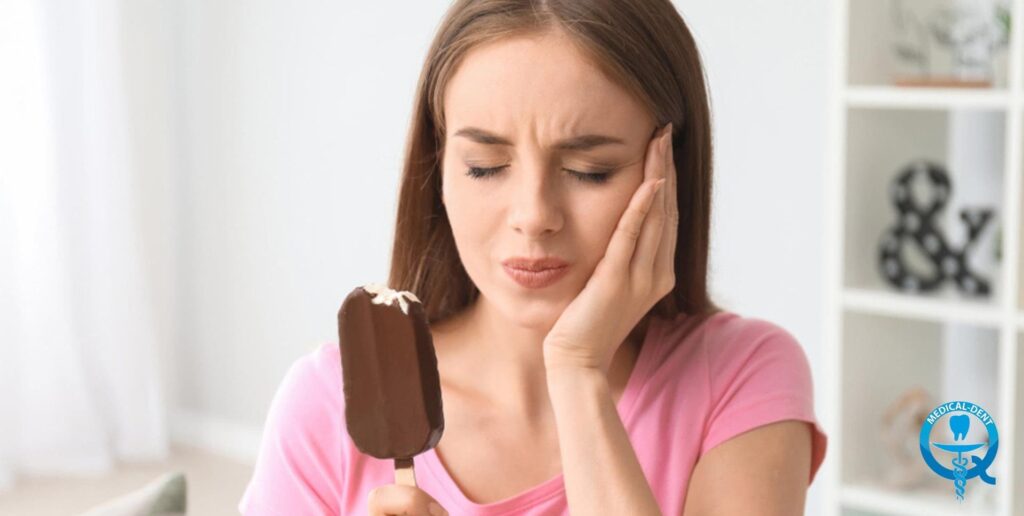
Does whitening affect tooth sensitivity?
Yes, teeth whitening can lead to temporary sensitivity. However, this does not mean that the problem will occur in everyone.
Hypersensitivity most commonly occurs after bleaching treatments carried out with gels containing peroxides (hydrogen peroxide or carbamide peroxide). These substances penetrate the enamel to lighten the pigments inside the tooth, which can temporarily expose the dentinal tubules leading to the nerves.
Increased sensitivity after bleaching can occur especially in people who:
- have naturally thin enamel,
- are already struggling with hypersensitivity to cold, heat or sweet,
- have exposed tooth necks (e.g. due to receding gums),
- use whitening toothpastes every day for an extended period of time,
- use teeth whitening without the supervision of a dentist.
Teeth whitening and hypersensitivity is therefore a relationship, which has to be taken into account, but it is not a rule - many people do not experience any discomfort after professional in-office whitening.
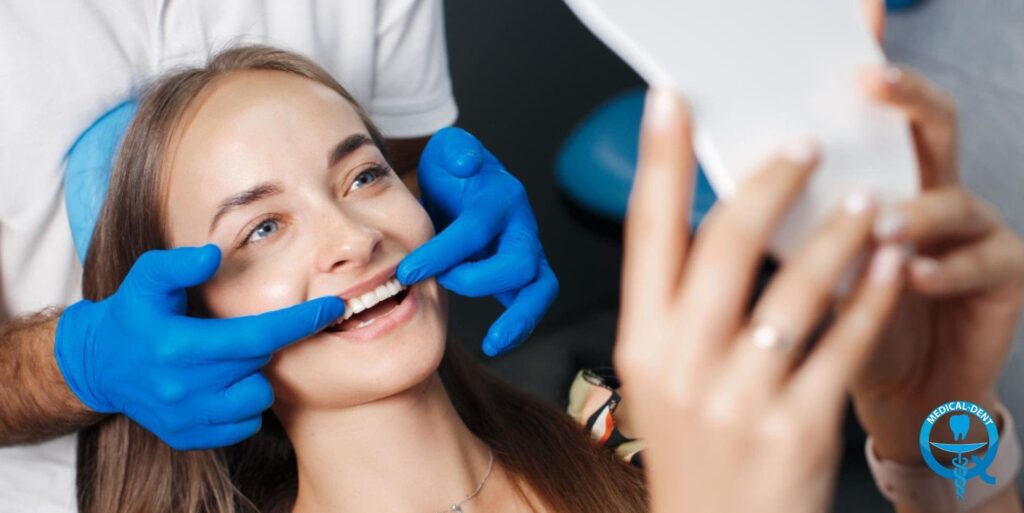
That's why it's always a good idea to consult your dentist before deciding on whitening - especially if you know you have sensitive teeth.
Read more about hypersensitivity in our article "How to treat tooth sensitivity and where it comes from".
Can hypersensitivity be counteracted?
To ensure that teeth whitening and sensitivity do not become a problem for you, it is worth taking preventive action. Firstly, check the condition of your teeth and gums before whitening. It is also a good idea to use a toothpaste for sensitivity at least two weeks before the planned treatment.
That's not all! Also avoid very cold or hot drinks for a few days after the treatment. You can read about other ways in the article "Home remedies for tooth sensitivity".
And most importantly - follow your doctor's recommendations. It is also worth opting for professional whitening methods instead of home kits without the supervision of a dentist. A well-conducted treatment is not only effective, but above all safe - also in terms of hypersensitivity.
How to deal with hypersensitivity after whitening?
If, despite your caution, you experience temporary discomfort, do not panic - this is a common occurrence and usually passes on its own after a few days. However, you can help yourself by applying:
- specialised pastes to reduce hypersensitivity (e.g. with potassium nitrate or stannous fluoride),
- remineralising or fluoride rinses,
- avoiding extreme temperatures in food and drink,
- giving up whitening toothpastes for the duration of hypersensitivity treatment.
If the pain persists for more than a week, it is worth seeing your dentist - it is possible that the cause is something more than the whitening itself.
What teeth whitening methods are available?
It all depends on the effect you want to achieve, the time in which you want to achieve it and your budget.
You can opt for overlay whitening. It involves applying a special preparation to the teeth, which is previously applied to a splint made of transparent, elastic material. This is prepared in the dentist's office, so that it adheres perfectly to the teeth. You can read more on this subject in the text "Overlay teeth whitening at home".
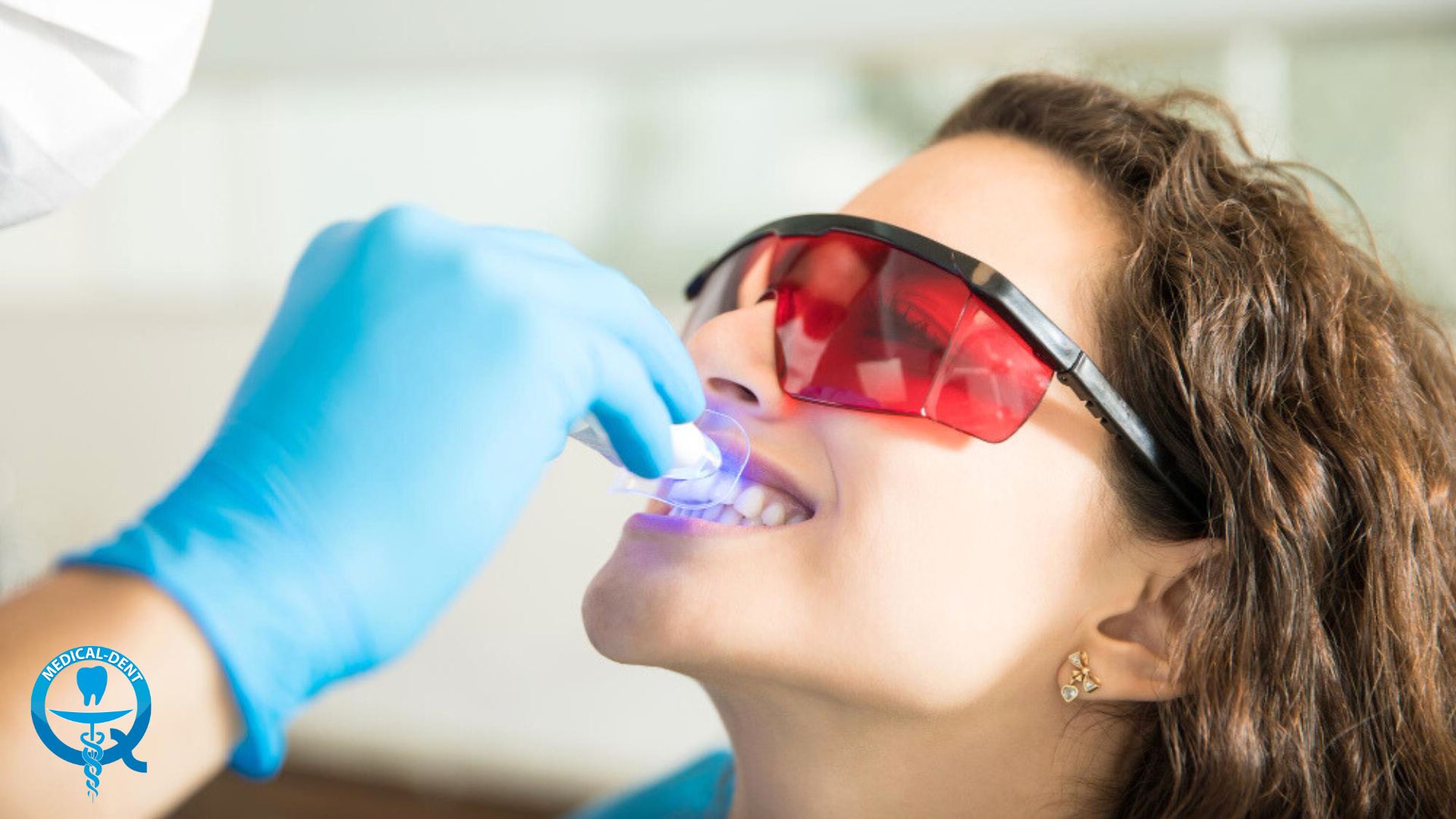
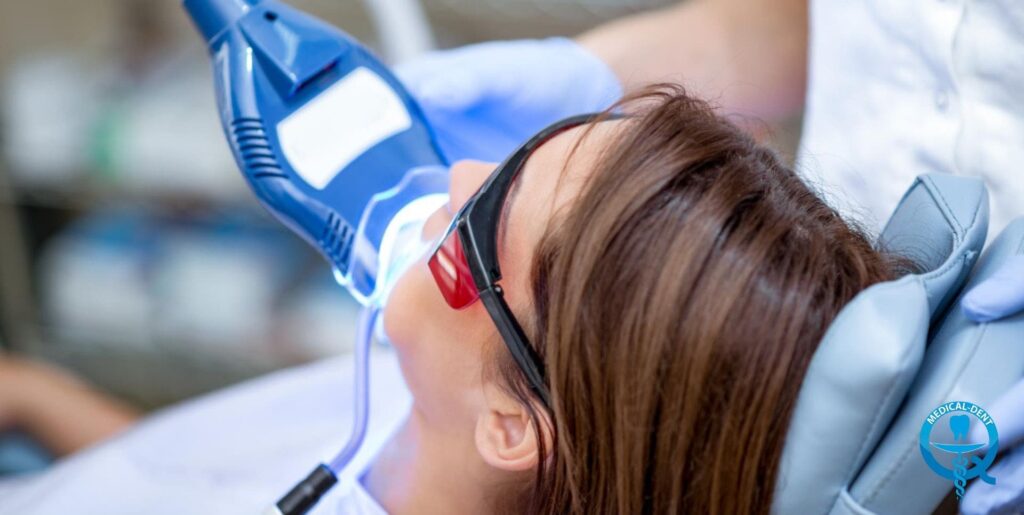
Another option is in-office whitening with an LED lamp. After the whitening gel is applied to the teeth, light emitted by the LED lamp is directed. This activates the gel particles, which accelerates the process of breaking down stains on the enamel surface and deeper in the dentin. As a result, the whitening effect is visible after the first session. You can read more about this method in the text "Teeth whitening with LED lights - what it involves and how much it costs".
And if you are dreaming of the whitest white, we recommend the Enlighten system. This one guarantees a B1 shade and keeps it for life if you follow a few rules. You can read about this method in the article "The best way to whiten teeth - the Enlighten system!".
Teeth whitening by instalments
If you want to have a beautiful, white smile, but you are worried about the cost - rest assured that in our office you can spread the payment into instalments convenient for you. The first 12 months you pay zero interest, so you pay back as much as you paid for a particular treatment.
You can read more about this in our article "Teeth on credit: dental treatment on hire purchase".
IMPORTANT! The system is 100% safe and regulated by the Financial Conduct Authority (FCA number 619628), the government's financial regulator.