

Braces can improve tooth alignment and the way your teeth meet. Treatment starts with an assessment of your teeth, gums and jaws, followed by a discussion of what you would like to change and which options are suitable.
Crowded or uneven teeth are not a personal failing. Not every irregularity needs treatment, and a healthy mouth is more important than achieving a particular appearance.
Why teeth can become crowded
Tooth size, jaw development, the way teeth erupt and other factors can affect alignment. Losing a milk tooth early may reduce space for a permanent tooth, but it is not the explanation for every bite problem.
Teeth can also change position in adulthood. Wisdom teeth should not automatically be blamed for crowding, and removing them is not a routine way to keep front teeth straight. Your dentist or orthodontist assesses the actual cause and any separate problem with a wisdom tooth.
Crowding can make cleaning more difficult, and some bite problems affect chewing. The effects vary: crooked teeth do not inevitably lead to gum disease, speech problems or facial deformity.
How does the movement happen?
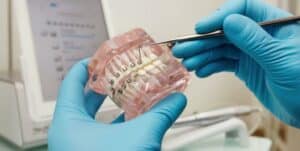
Teeth are held within living tissues, rather than being fixed rigidly into the jaw. Controlled forces from a brace trigger gradual changes in the tissues and bone around the roots, allowing the teeth to move. This remodelling takes time.
With fixed braces, brackets attached to the teeth hold a wire that applies those forces. The orthodontist adjusts the appliance as treatment progresses. More pressure is not automatically better or faster, and you should not try to tighten or alter a brace yourself.
Some removable appliances use springs or a screw within a plate. Others, such as clear aligners, use a planned series of trays. Wear them for the time prescribed, and adjust a screw only when and as instructed. These appliances do not all make the same movements or suit the same problems.
Choosing an appliance
Fixed braces may have metal or tooth-coloured brackets. Removable appliances have different roles, including selected tooth movements or treatment during growth. Your orthodontist will explain what can realistically be achieved with each suitable option.
A retainer has a different job: it helps maintain the result after active movement. Retainers can be fixed or removable. They do not simply replace the need for an active brace when teeth still need moving.
Time, reviews and daily care
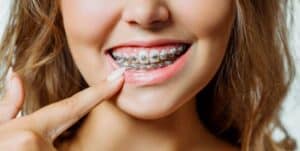
Treatment often takes around one to two years, but simpler or more complex cases can take a different length of time. Your orthodontist should give you an estimate for your plan. The interval between adjustments also depends on the appliance and stage of treatment, so keep the appointments arranged for you.
Some aching after fitting or adjustment is common. Contact the team if pain persists, your gums become very sore or an appliance breaks. Do not wait until the next routine review with a loose bracket or a wire that is injuring your mouth.
Clean around the brace carefully with fluoride toothpaste and the interdental aids recommended by your dental team. Limit frequent sugary snacks, avoid foods that damage the appliance and continue seeing your general dentist. Braces can make plaque harder to remove; straightening teeth does not protect them from decay during treatment.
Once active treatment ends, follow the retainer plan for the long term. Teeth can move again, including years later. The British Orthodontic Society explains why retention matters.

Understanding the cost
Our current fees list the following appliance charges:
- Standard metal fixed brace: £800 per arch.
- Removable brace for a child under 18: £400 for one arch.
- Removable brace for an adult: £400 for one arch.
These are appliance entries, not a quote for a complete course of treatment. Ask what your plan includes, such as assessment, adjustment visits, repairs and retainers. See our orthodontic fees and current finance information for more detail.
You can contact the practice to discuss an assessment and the questions you would like answered before deciding.