Toothache is much older than the dental surgery. Surviving texts and objects show people trying to clean teeth, relieve pain and replace missing teeth long before they understood decay as we do today.
The evidence is uneven. A written remedy tells us what an author recommended; it does not prove that the remedy worked or that everyone used it. A museum object can tell a different, sometimes narrower story. Keeping that distinction in mind makes the history more interesting, and more reliable.
China and the early toothbrush
China has an important place in the history of dental care. The American Dental Association's historical timeline records a Chinese medical text mentioning a silver paste for teeth in about AD 700. This is an early example of a filling material, rather than evidence of modern dentistry in ancient times.
Bristle brushes also have a long history in China. The Smithsonian's account of toothbrushes places the earliest likely examples in the Tang dynasty, AD 618–907. Everyday objects such as these are a useful reminder that dental history includes cleaning as well as treatment.
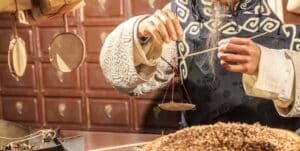
Herbal preparations feature in many accounts of traditional medicine. Their long use does not establish that a particular mixture is safe or effective for toothache. The photograph above illustrates that tradition; it is not evidence for a particular ancient dental prescription.
India and cleaning sticks
A manufactured brush is not the only tool people have used to clean their teeth. The Wellcome Collection holds a historical photograph of five twigs used as toothbrushes in India. Chewing or working an end into fibres creates a small brush.
These simple tools are part of a long history of everyday mouth care. The photograph records their use in India, although it cannot tell us when the practice began. Unlike a medical manuscript, it gives us a close look at the objects themselves.
For dental care today, an interesting historical method should not displace advice about fluoride toothpaste, cleaning between the teeth and assessment of symptoms.
What survives from ancient Egypt?
Egyptian evidence includes inscriptions and medical writing. Hesy-Re, an official from ancient Egypt, is often described as an early dental practitioner because of a title associated with teeth and medicine. That does not mean his work was equivalent to a modern dentist's.
The Ebers Papyrus contains descriptions of dental problems and remedies. Such records show that people recognised and attempted to treat painful mouths. They do not give us clinical evidence that the proposed treatments were effective.
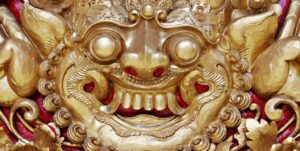
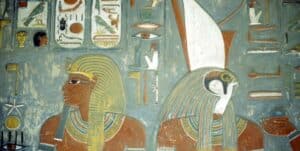
Images of Egyptian art can help set the scene, but a decorative mask or wall painting is not proof of a dental procedure. Claims about ancient fillings, dentures or ingredients need evidence tied to the specific object or text.
Roman treatment and belief
Roman medical writing and objects reveal different responses to dental pain. Celsus discussed oral care and dental treatment, while other evidence concerns beliefs about protection from pain.
One example is a Roman teething charm in the Science Museum Group collection, dated AD 100–500. It includes an animal tooth in a bronze mount. The museum links such charms to historical beliefs about relieving teething pain. The object records a belief, not a successful treatment or something to give a child today.
Practical care and protective beliefs existed alongside one another. Surviving objects bring that experience closer, but they cannot tell us how every Roman family dealt with toothache.
Dental care today
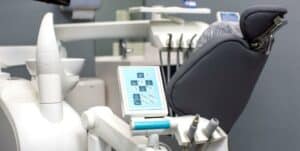
Modern treatment starts with an assessment of the cause of a problem. Depending on what is found, care may involve prevention, a filling, root canal treatment or another approach. Anaesthesia and appropriate imaging can support treatment; a particular machine is not needed for every patient or every procedure.
If you have toothache, historical remedies are not a substitute for care. Our guide to managing toothache while waiting for a dentist explains practical next steps and the symptoms that need urgent help.