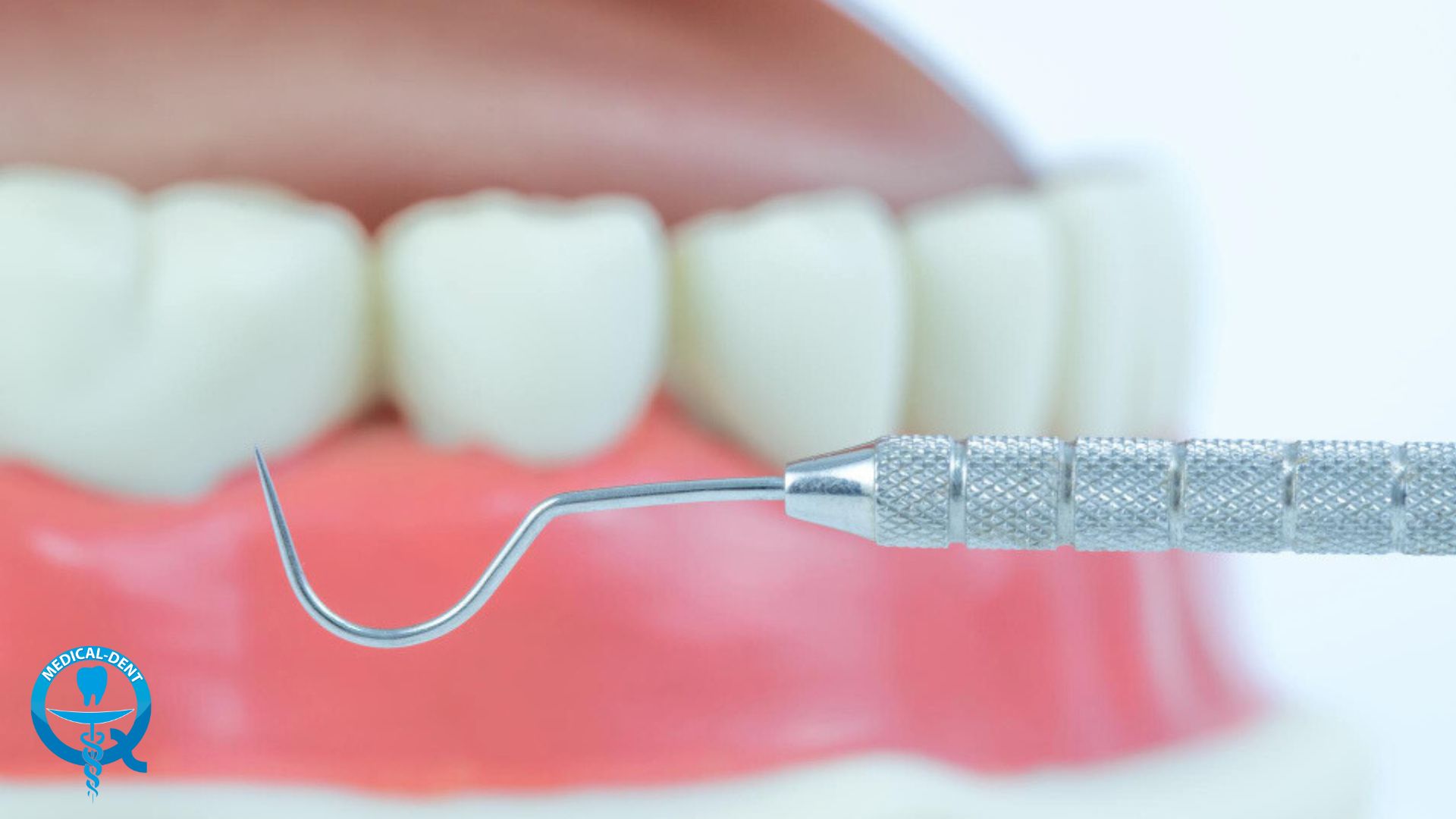
Do not ignore bleeding gums and loose teeth – this is a sign that you may be suffering from periodontitis, and in an advanced stage. This problem develops slowly, but the consequences can be serious: tooth loss, gum recession and chronic pain. So how can you avoid this? In this article, you will find the most important information about the treatment of advanced periodontitis.
What is periodontitis?
Periodontitis is a chronic inflammation of the periodontium that affects the gums and bone surrounding the teeth. It often begins with mild inflammation, manifested by bleeding when brushing and slight redness. At this stage, treatment is relatively simple and effective, and the teeth remain stable.
The disease becomes advanced when inflammation destroys bone and periodontal ligaments. This causes the gums to recede, teeth to become loose, and hypersensitivity and pain to become more frequent. Treatment of advanced periodontitis requires more intensive procedures and professional dental intervention.
Advanced periodontitis develops gradually and often goes unnoticed for a long time. Symptoms such as bad breath, bleeding and receding gums should prompt you to visit the dentist immediately. The earlier treatment for advanced periodontitis begins, the greater the chances of preserving your natural teeth.
Causes and symptoms
Before we move on to the treatment of advanced periodontitis, let us examine its causes.
The main cause is chronic accumulation of plaque and tartar, which cause inflammation of the gums. Untreated gingivitis leads to bone and periodontal destruction, requiring treatment for advanced periodontitis. You can read more about this in the article “Gum disease - causes, symptoms and treatment".
Other risk factors include smoking, systemic diseases, stress and poor oral hygiene. Genetic predisposition can also increase the risk of developing periodontitis, and diabetes and autoimmune diseases worsen its course. Certain medications can also affect the condition of the gums and hinder the treatment of advanced periodontitis.
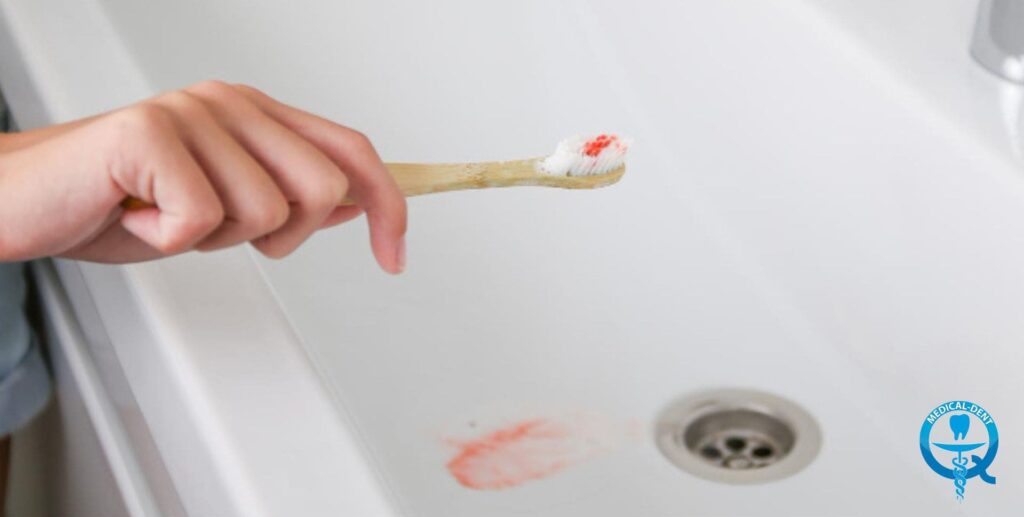
The first symptoms are bleeding gums, gum recession and tooth sensitivity cold and hot. You may also notice an unpleasant smell from your mouth and loose teeth.
As the disease progresses, periodontal abscesses may develop., swollen gums and pain when eating. Some people experience discomfort when touching their gums or when brushing.
It is not worth ignoring the first symptoms, because periodontitis develops gradually. Attempts at home treatment do not remove the cause and do not protect the bone. Professional treatment of advanced periodontitis is the only way to permanently stop the disease.

What does the treatment of advanced periodontitis look like?
The first step is to thoroughly clean the teeth and remove tartar, both above and below the gums. Depending on the severity of the condition, scaling, sandblasting and root planing are used.
Treatment of advanced periodontitis may also require surgical procedures on the periodontium to rebuild lost bone.
The dentist may also use antibiotic therapy. or local preparations supporting gum regeneration. In more severe cases, regenerative procedures are performed using bone substitute materials.
That's not all! Regular check-ups after treatment allow you to monitor the health of your gums and prevent complications.
Remember, untreated periodontitis leads to tooth loss., changes in the jaw joints and aesthetic problems. Early treatment minimises the risk of complications and reduces the need for complex procedures in the future.
Therefore, if you notice any of the above symptoms, make an appointment at our dental surgery in the UK. A specialist will assess your condition and implement effective treatment for advanced periodontitis, protecting your teeth and gums.