
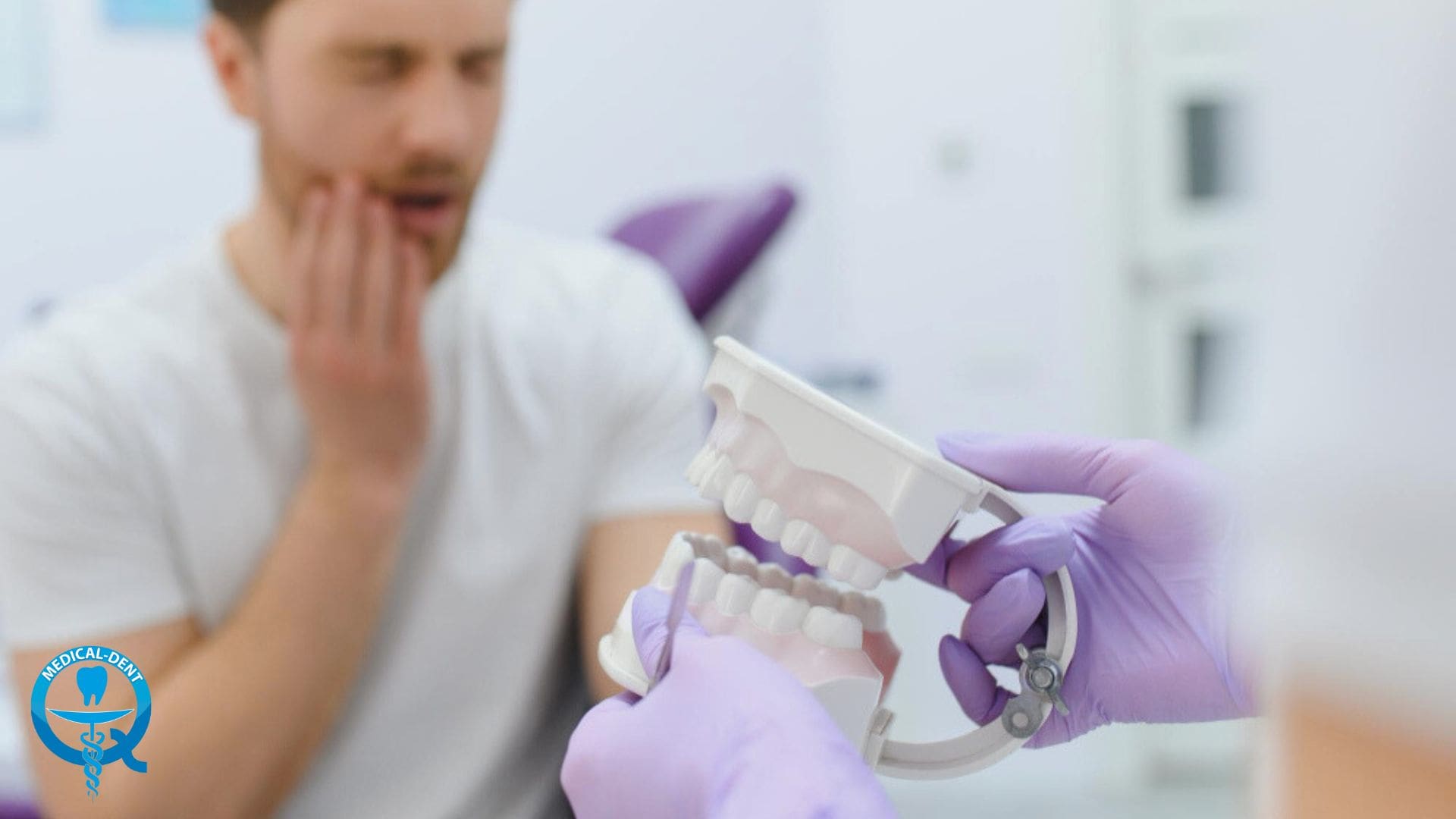
Malocclusion can significantly affect your quality of life. It often manifests itself in jaw pain, facial muscle tension, difficulty chewing, or a feeling of “clicking” in the jaw. Many people ignore these symptoms, attributing them to stress or fatigue, and the problem can worsen. What then?
What are bite blocks?
Bite misalignments occur when your teeth do not meet properly during chewing, which puts strain on your joints and muscles. Over time, you may experience difficulty chewing and jaw clicking when opening your mouth. They also affect facial muscle tension, which can cause headaches and neck stiffness.
They can occur in people with crooked teeth, as well as after jaw injuries. They often develop gradually and are unnoticeable until pain symptoms appear.
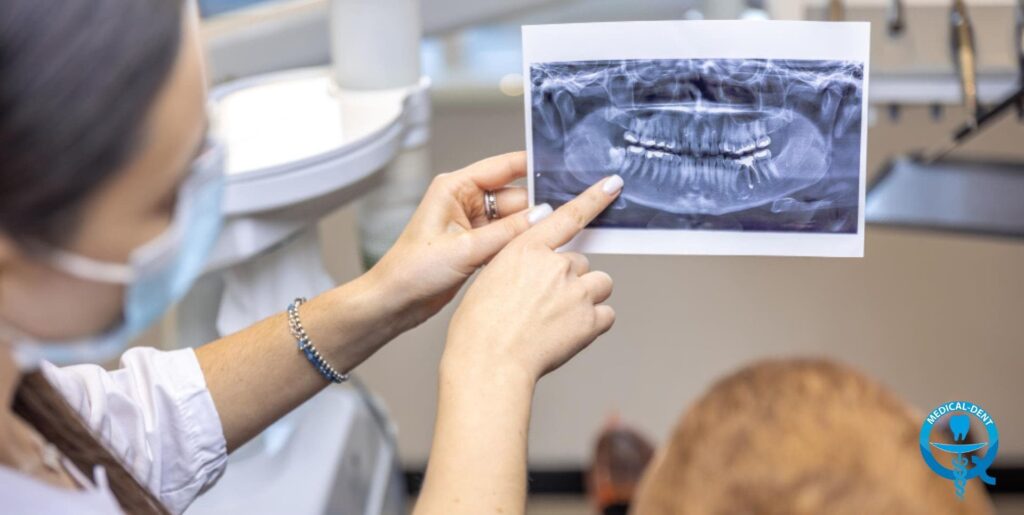
Early diagnosis is crucial to avoid more serious consequences for your teeth and joints. Therefore, it is best to see your dentist right away. They will assess which teeth are touching incorrectly and which muscles are overloaded. This will enable them to prepare an individual treatment plan tailored to your needs.

Symptoms
The first sign is pain in the jaw, temple or ear, especially in the morning after waking up. You may also often find it difficult to bite or feel that your teeth do not fit together properly. Jaw locks can also cause limited mouth opening and unpleasant facial muscle tension.
Another symptom is headaches and neck stiffness., resulting from overloading the jaw muscles. Some people notice their jaw clicking or locking when speaking or eating. They can also cause gum problems and tooth sensitivity.
IMPORTANT! Do not ignore the first symptoms. Attempting to relax the muscles yourself may bring temporary relief, but it does not remove the blockages.
Malocclusion – causes
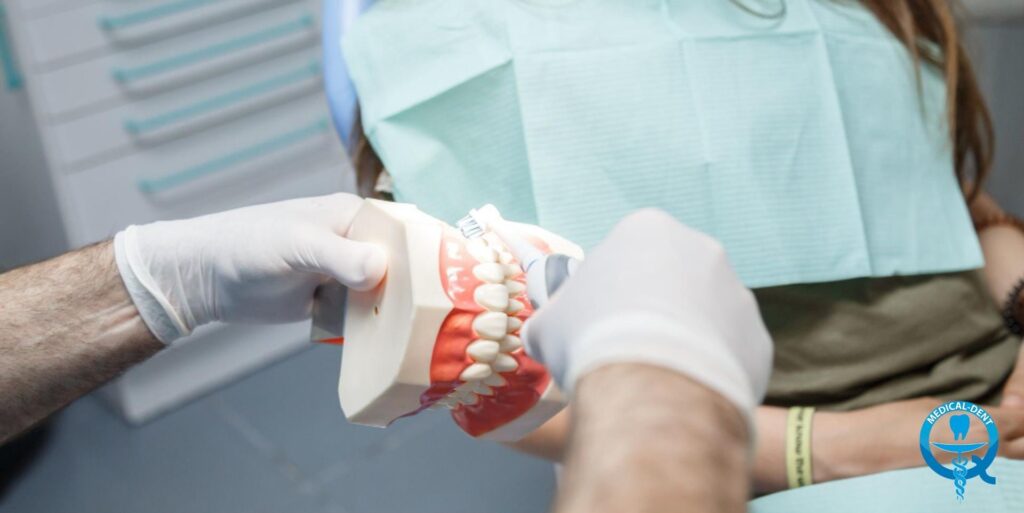
Most often, blockages result from uneven tooth alignment, which alters the natural functioning of the joints. Stress and the habit of clenching your teeth at night exacerbate the problem, leading to muscle tension. Bite blockages can also develop after tooth loss or poorly fitted restorations that disrupt bite stability.
Genetic factors and congenital malocclusion also predispose individuals to the development of blockages. Other significant factors include poor posture and facial muscle strain.
Treatment and why it is worth starting it as early as possible
In most cases of occlusal blockage, especially at the beginning, a relaxation splint is used. It reduces muscle tension and stabilises the bite. You can read more about this in the article “Teeth relaxation splinting in the UK - what it is and when it is recommended".
In the case of more significant changes, orthodontic treatment is necessary to restore proper tooth contact and remove bite obstructions at their source. You can read about the options available to you, how long the treatment takes, and how much it costs in the article “Orthodontic treatment in the UK".
Returning to the topic, treatment of blockages may also include correction of fillings, dentures or restorations that cause uneven bite.
Additionally, relaxation exercises for the jaw muscles are used., which support treatment. They help reduce tension, improve comfort and reduce the risk of recurrence of bite blockages.
IMPORTANT! Untreated bite misalignments lead to tooth wear, joint overload and chronic headaches. Over time, the problem also affects chewing and speaking comfort. The sooner you start treatment, the sooner you will regain comfort and natural jaw movement.
Early treatment minimises the risk of serious changes in the bite. and reduces long-term costs. It also helps to avoid complications that require more complex orthodontic treatment.
If you notice symptoms of malocclusion, make an appointment at our clinic. A specialist will assess your bite, select the appropriate treatment and help you regain comfort while eating and speaking.