

A tooth implant is only the first stage in restoring a missing tooth. Only the implant crown makes your smile look natural and you can bite and speak normally. For many patients, this is the moment when implant treatment really becomes apparent. Find out what types of implant crowns there are, how they differ and what their price depends on.
What is an implant crown?
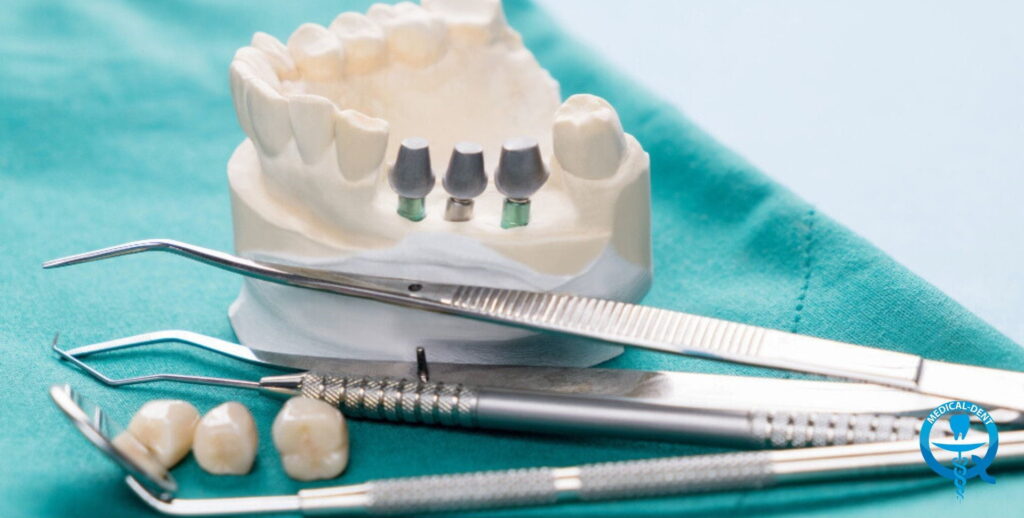
The implant replaces the root of the tooth, but the visible part is only the implant crown. This is a special prosthetic restoration that the dentist attaches to the implant after the healing process is complete. The crown reproduces the shape, colour and function of the natural tooth.
This allows you to eat normally, chew and smile without worrying about aesthetics. Modern materials make it possible to match the colour of the remaining teeth very closely. As a result, it is often difficult to notice the difference between the crown and the natural tooth.
It is worth remembering that the crown is designed individually for each patient. The dentist takes into account the shape of the bite, the alignment of the teeth and the aesthetics of the smile. This ensures that the result looks natural and harmonious.
And why are implants a great choice to fill the gap left by a missing tooth? The answer to this question can be found in the article “6 reasons why dental implants in the UK are a good choice".
What types of implant crowns are there?
The most commonly used implant crown is made of porcelain on a ceramic or zirconia substructure. This type of solution ensures very good aesthetics and high durability. It is therefore often chosen for the reconstruction of anterior teeth.
Crowns can also be created from solid ceramics. This material imitates natural enamel very well and reflects light just like a real tooth. This makes the smile look very natural even up close.
In some cases, porcelain crowns on a metal substructure are also used. This solution is permanent, but is now less commonly used in the aesthetic area. The dentist selects the type of crown individually, taking into account the place in the dental arch and the needs of the patient.
We have devoted an entire article to the types of crowns “Crowns for teeth in the UK - everything you need to know".

What does the process look like?
The process begins once the implant has fully fused with the bone. The dentist takes an impression or performs a scan of your mouth to accurately design the future restoration. On this basis, an implant crown tailored to your bite is created in the prosthetic laboratory.
In the next stage, the doctor checks the fit and aesthetics of the crown. Sometimes a fitting is carried out to ensure that the shape and colour are perfect. Only then is the crown finally fixed to the implant.
Modern prosthetics make it possible to achieve a very precise fit. This makes the crown stable and comfortable for daily use. Patients often forget that they have an implant.
And if you are interested in the whole implant process read our text “Placing a tooth implant - what the procedure looks like".

How much does an implant crown cost?
The price depends on several factors, including the material of the implant crown. The experience of the prosthetic laboratory and the technology used to make it are also important.
In the UK, the cost of a crown on an implant usually ranges from a few hundred to over a thousand pounds. At our practice, prices start from £460 and you can also take advantage of the instalment scheme at our practice. Importantly, the first 12 months are zero interest. If you would like to find out more we recommend the article “Instalment scheme for dental treatment in the UK".
It is worth remembering that a crown is an investment for many years. With good oral hygiene and regular check-ups, it can last for a very long time. This is why many patients see implant treatment as a permanent solution to the problem of missing teeth.
And if you have questions or would like to make an appointment please visit contact.