
Teeth varnishing in the UK is one of the simplest and most effective preventative treatments to protect teeth from decay. It is particularly important in children, but is increasingly being used by adults too. If you are concerned about real protection for your enamel and reducing the risk of future restorative treatment, it is worth considering this treatment as part of your regular preventative dental care.
What is dental varnishing in the UK?
Teeth varnishing in the UK involves applying a special preparation with a high fluoride content to the surface of the teeth. The varnish forms a thin, invisible protective layer that strengthens the enamel and increases its resistance to the bacteria responsible for tooth decay.
As opposed to pastes or rinses, The varnish has a long-lasting and topical effect. The fluoride is released gradually so that the teeth are protected for many hours after treatment. Varnishing is safe, painless and very fast.
When is dental varnishing in the UK needed?
Dental varnishing in the UK is recommended primarily when there is an increased risk of caries. This applies to children whose enamel is only just mineralising, but also to adults with a tendency towards frequent cavities, tooth sensitivity or oral hygiene problems.
And more about dental treatment in children and why it is so important you will read in the article “Treatment of deciduous teeth - does it make sense“. Coming back ...
The treatment is particularly recommended if you have braces, wear retention, have exposed tooth necks or frequently reach for sweet or acidic foods. Teeth varnishing in the UK is also sometimes recommended after dental treatment to further strengthen the enamel and protect teeth from recurring decay.
What does the treatment look like?
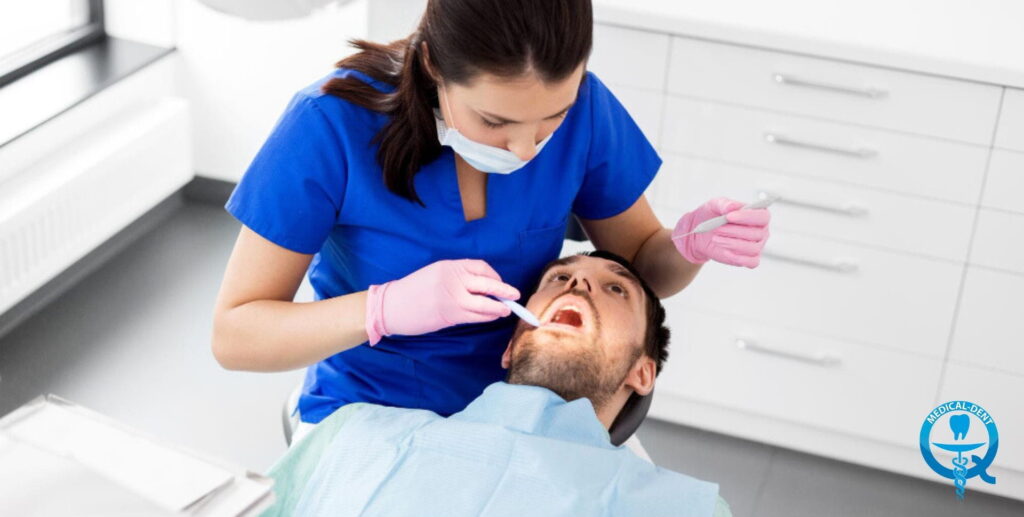
It requires no special preparation and takes place during a short visit to the office. First, the dentist cleans and dries thoroughly so that the varnish can adhere well to the enamel. The dentist or hygienist then applies the preparation with a brush directly to the tooth surface.
The procedure itself takes a few minutes and is completely painless. After tooth varnishing, it is recommended that you do not brush your teeth for several hours and avoid very hard foods. This gives the varnish time to work effectively and strengthen the enamel.
Varnishing as a preventive measure for children
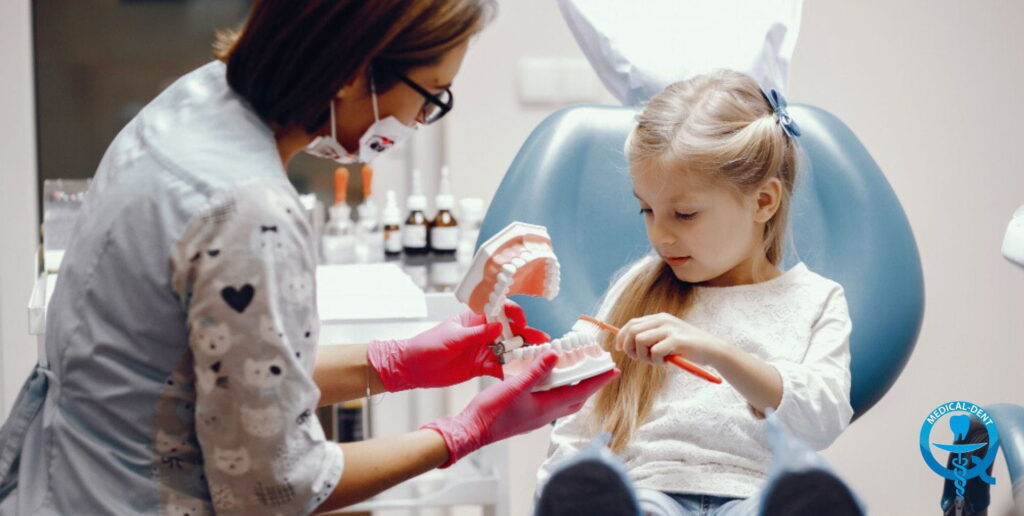
Varnishing plays a key role in the prevention of caries in children. Milky and newly erupted permanent teeth are more susceptible to damage. Hence, protecting them regularly with fluoride varnish significantly reduces the risk of cavities.
In children, tooth varnishing is often part of prevention plan and can be performed several times a year. The procedure is quick, non-invasive and well tolerated even by the youngest patients. In addition, it helps build a positive experience of visits to the practice.
And you can read more about other treatments for children in the article “Preventive treatments for the child “. And if you have any further questions or would like to arrange a toddler visit contact us.