

The molars are the largest and most heavily stressed teeth, so when a problem arises, it is often no longer solvable with simple treatment. Sometimes, surgery becomes the only option to get rid of pain and inflammation. If you know when such a procedure is necessary and what it looks like, it is much easier to make a decision and go through the treatment without stress. Find out in which situations the surgical removal of a molar is unavoidable and how to prepare for it.
When is surgical removal of a molar necessary?
Not every tooth can be removed easily, especially when it comes to molars. They have extensive roots and are often firmly anchored in the bone. This is why surgical removal of a molar occurs when standard methods are not enough.
The procedure is most often performed on a very damaged tooth, A tooth that breaks off when you try to remove it. It may also be a tooth that is partially hidden under the gums or a tooth that has not erupted properly. You can read more about this in our article „A retained tooth - what exactly is it and does it always need to be removed?„.
It also happens that a molar causes recurrent inflammation or presses on other teeth. This not only causes pain, but also risks bigger problems in the future. In such cases, surgical removal of the molar solves the problem at the source and prevents further complications.

How to prepare for the procedure?
The whole process will start with a consultation and a thorough diagnosis. The doctor will take an X-ray to see the root system and plan each stage of the procedure. This will help you avoid surprises and shorten the time of the procedure itself but also the recovery.
Remember to tell your doctor about any illnesses and the medicines you are taking. Even seemingly unimportant information can make a difference to your safety. This will help your doctor choose the right anaesthetic and mode of action.
Eat a light meal before your appointment and make sure you are comfortable. Avoid rushing and stress, as tension can make the procedure more difficult. The better prepared you are, the more calmly you will go through the surgical removal of a molar.
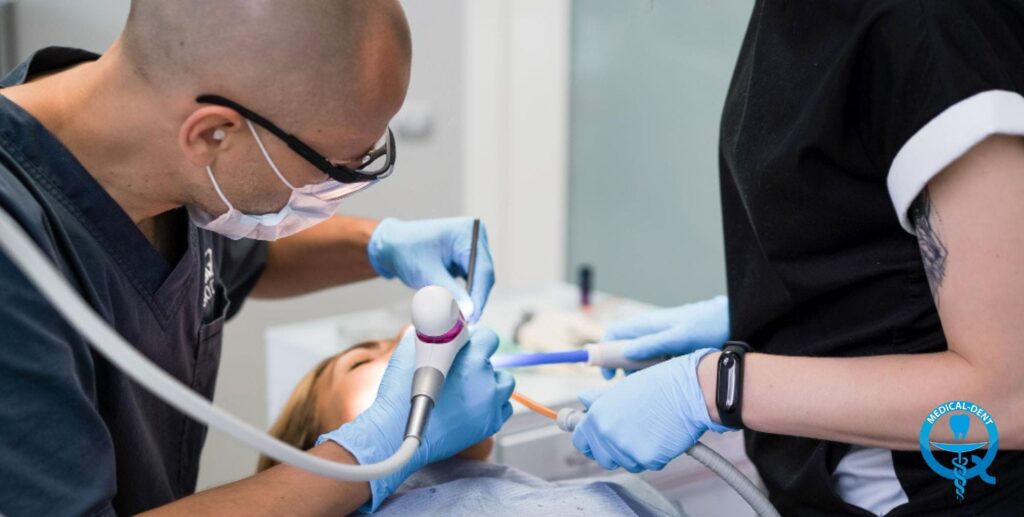
What does surgical removal of a molar look like?
The whole procedure will start with the administration of a local anaesthetic. The doctor will ensure that you feel no pain, only gentle pressure. This allows you to go through the whole process calmly and without tension.
The doctor will then access the tooth, Sometimes by gently pushing back the gum. If the tooth is difficult to remove, he will divide it into smaller pieces. This reduces tissue damage and facilitates safe removal.
Once the tooth has been extracted, the doctor will clean the treatment area thoroughly. He or she may place stitches to speed up healing and protect the wound. Finally, you will be given specific recommendations to help you avoid complications.

What to do after the procedure and what to avoid?
After treatment, give yourself time to rest and recuperate. Avoid physical exertion and sudden movements. The body needs peace and quiet to start the healing process.
Do not rinse your mouth extensively for the first few hours. A clot forms at the site of the extracted tooth to protect the wound. If it falls out too soon, the bone and nerve endings are exposed. This leads to a so-called dry socket (you can read more about this in the article „Dry socket - what does it look like and what does it manifest itself as?„), which is very painful. The pain can radiate to the ear, the temple or the whole jaw. Often there is also an unpleasant smell and difficulty eating.
If you notice such symptoms, don't wait. Contact your surgery as you will need the help of a doctor. A quick response shortens treatment and avoids prolonged pain.
Avoid hot drinks, alcohol and smoking. These factors irritate the wound and slow down regeneration. Opt for gentle hygiene and follow your doctor's advice.
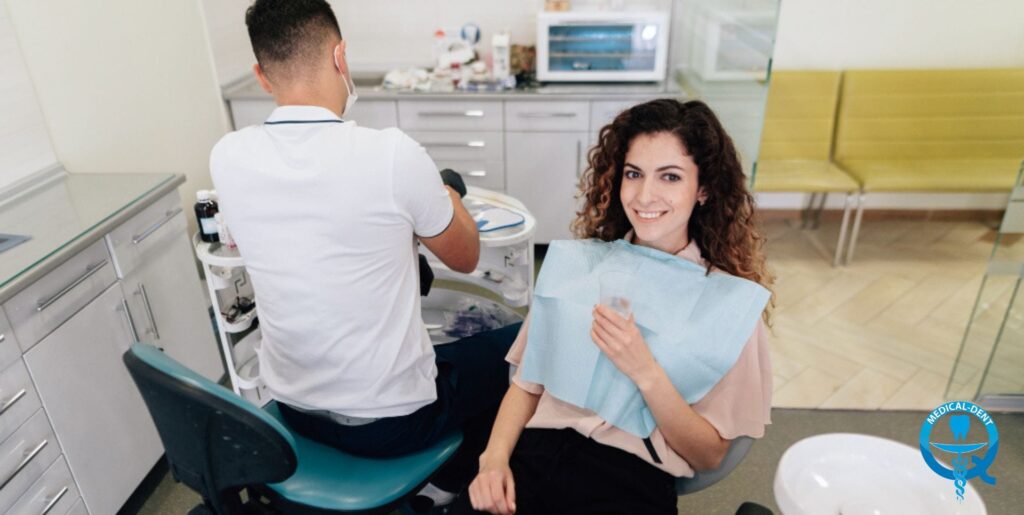
How long does it take to heal?
The first few days after the procedure can be uncomfortable. There is slight swelling and tenderness at the removal site. This is the body's normal reaction to surgical interference.
The healing process usually takes several days to several weeks. A lot depends on the difficulty of the treatment and your recovery. The better you follow the recommendations, the faster you get back to normal.
The post-operative check-up allows you to assess whether everything is going well. Do not skip it, even if you feel well. It is an important stage of the whole treatment.
Price and payment options
The price of the treatment depends on the complexity and location of the tooth. Simpler cases cost less, while more difficult cases require more time and work. Therefore, the final amount is set individually.
At our practice, the price for surgical removal of a molar starts from £220. Important - if it exceeds £350 you can pay it off in instalments, and the first 12 months are zero interest, so you only pay back the amount you spent. If you want to find out more read our article “Instalment scheme for dental treatment in the UK" or contact us.
IMPORTANT! Our system is 100% safe and regulated by the Financial Conduct Authority (FCA number: 619628).
If you feel pain or know the problem is with a molar, don't delay. Make an appointment for a consultation and see if surgical removal of a molar will be necessary.