

Do you have a missing tooth and don't want to wait for the end result with a visible gap? Temporary dentures are not a permanent solution, but they can make this stage very easy. They help you to function normally during treatment, improve the appearance of your smile and give you greater comfort on a daily basis.
What are temporary dentures?
It is simply a restoration that you wear for a set period of time. It's meant to cover up a missing tooth or a larger gap in your teeth before a definitive restoration comes in. This way, you don't have to function with a visible gap for many weeks. And you can read about how to fill it in our article „Missing tooth - when do you need to fill the gap left by an extracted tooth?„
Temporary dentures improve the appearance of the smile, But it's not just about that. It can also make it easier to speak, chew and interact with people on a daily basis. For many patients, this is a huge relief right from the start of treatment.
This solution can replace one tooth, several teeth or larger gaps. The dentist tailors it to your situation, treatment plan and oral conditions. This makes the whole process more structured right from the start.

When do they apply and why is it important?
Dentists often suggest this solution after a tooth extraction. It's a good way to immediately improve the aesthetics of your smile and not be left with an empty space. It makes a really big difference in everyday life.
Temporary prostheses are also important for this reason, that they help you to function more normally during your treatment. It is then easier to speak, eat and feel at ease at work or when meeting people. It is a transitional stage, but its importance is not worth underestimating.
Such a restoration can also protect the bite system from unnecessary changes. When a tooth or several are missing, neighbouring teeth can start to shift. This later makes treatment more difficult and can affect the end result.
Temporary prostheses are also used when, When the gums and tissues need time to heal, for example with implant treatment. Sometimes the body needs to recover before the dentist moves on to the next stage. At such a time, a temporary restoration puts the whole process in order.
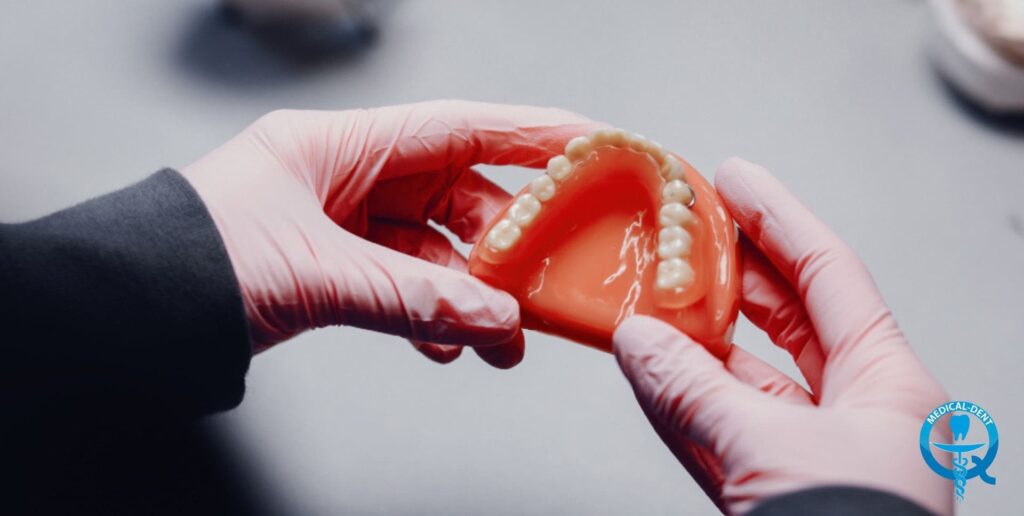
What does the preparation of a temporary prosthesis look like?
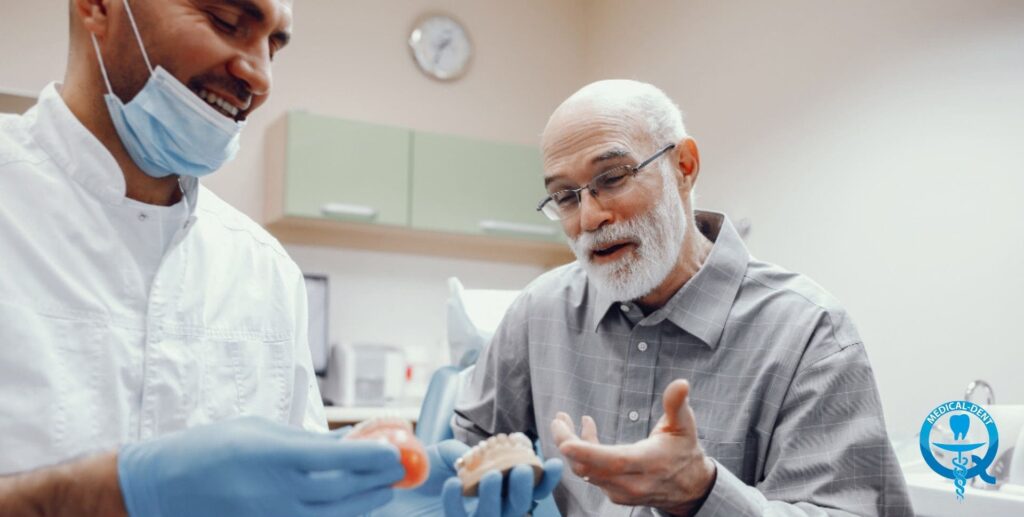
It all starts with a consultation and a thorough treatment plan. Your dentist assesses the condition of your teeth, gums and missing teeth. He or she also checks what solution will work best in your case.
The next stage is impressions or an oral scan. On this basis, a restoration is created to fit the shape of the teeth and bite. What counts is not only comfort, but also a natural look.
The preparation itself usually does not take very long. In simpler cases, temporary prostheses can be made relatively quickly. The exact time, however, depends on the extent of treatment and the type of restoration planned.
Are temporary dentures durable and how long will they last?
Yes, but you have to remember what they are for. It's an interim solution, so it's not meant to replace your target restoration for many years. It is meant to help you safely and comfortably get through a particular stage of treatment.
In normal use dentures They do their job well. They allow you to function more freely and improve your comfort every day. However, they still require care and sensible use.
Their durability depends on the material, how they are made and your daily habits. Sometimes they last for a few weeks and sometimes for several months. Your dentist will always determine how long you can use them in your treatment plan.

What then?
After the transition phase comes the time for target reconstruction. This can be implant, bridge or definitive prosthesis. It all depends on what treatment plan your dentist agrees with you.
At this stage, the doctor checks that the mouth is ready for subsequent measures. He assesses healing, tissue stability and occlusal conditions. Only then does he proceed to the next step.
Well-planned temporary prostheses help you arrive at the final result with peace of mind. They make it easier to survive the treatment without much discomfort. This is not a detail, but an important part of the whole process. And if you have missing teeth, don't delay and make an appointment at our practice as soon as possible. Importantly, you can take advantage of the instalment system there and the first 12 months are zero interest. If you want to find out more read our article „Instalment scheme for dental treatment in the UK” or contact us.